As the study year nears completion, a usual set of questions arises for those who are either about to finish their studies or are just embarking on this journey. What are my dreams and hopes for the future? What qualifications and experience will remain relevant for the years to come? The first question is of course too broad and personal to attempt to answer without context, but I can certainly assist in the latter one if you love both languages and technology.
My name is Lidiya Tsymbalista, and I am an Information Developer at ELEKS. However, I’ve switched to IT only three years ago. Before that, I’ve had quite an exciting professional path that resembles a patchwork quilt rather than a straight line. I used to work as a translator and interpreter, teacher, monitoring and evaluation specialist for social projects, lecturer and scientist. All these occupations gave me some skills that are essential for my current job.
In this article, I’d like to unpack what Information Developers do and what a philologist or language lover needs to know to become one. It’s loosely based on a workshop which I’ve conducted for Philology students from King Danylo University last month.
Who are Information Developers (InfoDevs)?
Information Developers are specialists who gather and process complex, mostly technical in nature information and organize it into clear and useful content for different audiences. Chances are, you’ve encountered deliverables prepared by an Information Developer or somebody with a similar job title: user manuals, hardware instructions, walkthrough videos, support portals, and more.
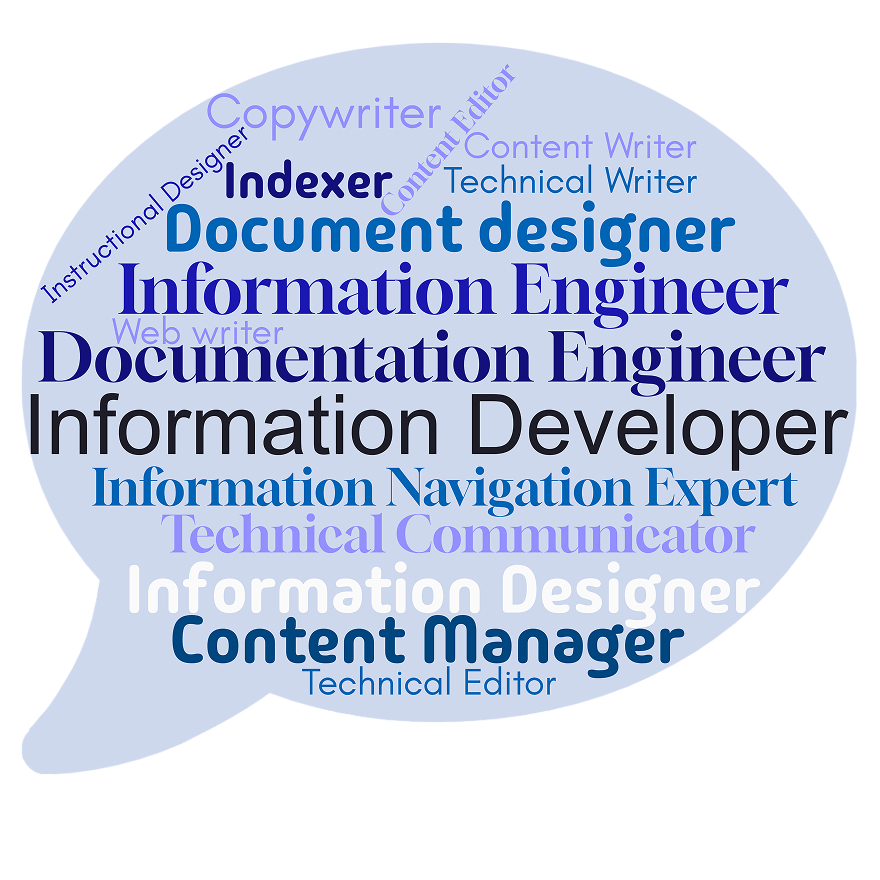
Each of these job titles have a slightly different emphasis and list of responsibilities but we share a common goal. Basically, we make sure to gather, structure, and preserve the knowledge, and then share it with the world.
How to become an InfoDev?
Information Developer is one of many IT positions that are available for those who are good at writing. You don’t even have to be a Philology or Translation major, although it’s certainly a plus. For highly technical projects, it sometimes makes more sense to hire a technical specialist who can write well. So, there are two main entry points into this job:
- Philologist (mostly with English as the main language) who’s interested in technology
- Technical specialist or subject matter expert (SME) who’s also a language enthusiast
So, good command of English and at least basic technical proficiency are a must, but there are other skills that will help you get the job. Here are some of them:
- Writing skills: Being proficient in a certain language doesn’t equal good writing. Developing concise but sufficient instructions, following established style guides while not losing brand voice, and choosing simple yet impactful vocabulary requires a lot of training.
- Research and analysis: Even if the information for a project is readily available, processing, analysing, and categorising it, and then putting it back together in an easy-to-use format is a form of art.
- Soft skills: InfoDevs usually work in tandem with development teams and before putting information on (metaphorical) paper, they need to “extract” it from their teammates’ heads first. Truly, good communication skills can save hours if not days of research and waiting for review.
- Visual media skills: We put a lot of emphasis on writing, but let’s be honest: people process visual and short-form content much faster and with less resistance than long strings of text. So, adding screenshots, organizing workflows into diagrams, and making your instruction visually appealing in general will help you reach your audience.
Where to start?
After the previous section, it may feel overwhelming to even start, but there are plenty of resources online that might prepare you for an interview and give you a push towards a new career. To make it easier, I’ll recommend two options to start with:
- Technical Writing 101: A Real-World Guide to Planning and Writing Technical Content by Alan S. Pringle and Sarah S. O’Keefe.
Don’t let the 101 fool you, it’s quite comprehensive and still relevant despite being published in 2009. Well, aside of being pre-AI but prompt engineering is not on our agenda. I’ll just say that I firmly believe that InfoDevs will remain relevant, they’ll just work smarter with the help of AI. - Microsoft Style Guide.
Despite (or may be due to) undergoing frequent changes lately, it sets the trends for documentation, so this style guide is a good first choice.
Impressions from the workshop

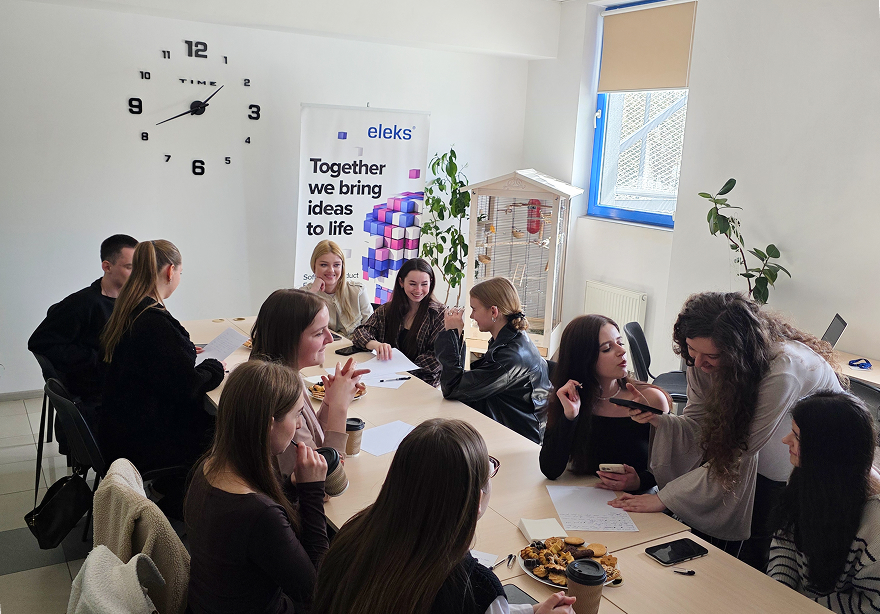
Before switching to IT, I used to teach translation to students but even as a lecturer, I had a vague idea of what Technical Writing was, not to mention Information Development. So, conducting this workshop gave me an opportunity to get some interaction with students (which I miss a bit) and encourage them to explore uncommon or emerging career options.
Writing tips from an InfoDev for everyone
- Keep your readers in mind.
Write about things that are useful to your readers (users). The intricacies of your technical solution may impress developers but discourage or confuse users.
- Less is more.
We live in an era of short-form content. Whether we like it or not, our attention span is not what it used to be, so when presenting an idea, follow a minimalist approach.
- Simple is better.
If your goal is to reach a wider audience, choose simple words and grammar. It doesn’t make you look lazy. On the contrary, “when something can be read without effort, great effort has gone into its writing” (Enrique Jardiel Poncela).
Related articles