Over 70 ELEKS specialists are currently serving in the Armed Forces of Ukraine. We support them during their service and when they return to civilian life as veterans. Our goal is to create an environment that helps them adapt, rebuild their professional paths, and feel part of the team again.
In this article, we share how exactly we support our defenders.
The Reintegration Process at the Company
When the first veterans returned from the war to their workplaces, we realized that it was necessary to create processes that would make reintegration as smooth as possible.
We formed an internal working group that didn’t start with policies, but with researching real needs. We held workshops with recruiters and PMs, conducted in-depth interviews with veterans, and surveyed their teams.
We asked:
- What hurts?
- What causes anxiety?
- What can we, as a company, do better?
Based on the research, we built a “return roadmap” outlining all the key milestones — from demobilization to team adaptation.
This led to practical solutions:
- The “Demobilization Process” in Jira — to quickly restore access, documents, insurance, and even choose a new office chair.
- Psychological support for veterans and their families.
- Internal lectures for teams on basic communication principles with veterans, service members, and their loved ones.
Reintegration is a complex but extremely important process that requires empathy, active listening, consistency, and involvement. Business must play an active role in this, as creating a safe and supportive environment for those returning from war is not only a sign of humanity but also a matter of social responsibility. At work, veterans can adapt, recover, and fulfil their potential.

Education for a New Career Path
Many veterans consider the IT sector as a way to return to professional life. Due to injuries, they are not always able to work offline or perform physical labor. Many live in small towns or villages where it’s difficult to find suitable employment. In IT sector, they can work from home, have a flexible schedule, and gradually recover in a comfortable environment. We also often heard veterans say: “I’d like to try myself in IT, but I don’t know where to start.”
That’s how the idea for the free course “Returning from War: First Steps in IT” was born — created by the ELEKS University team, company’s specialists and UCU Online.
The course includes 7 lectures on the most typical IT career paths with simple explanations, mentorship in a Telegram chat, and live lecturers, including veterans from our company.
Mission-Driven Partnerships
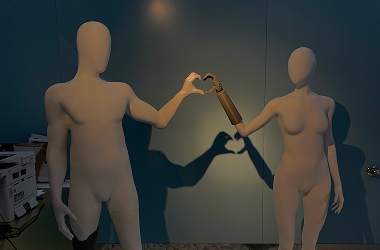
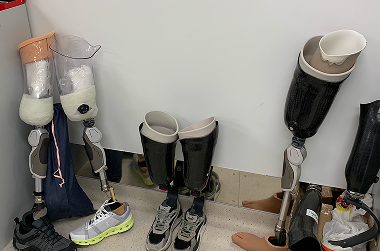
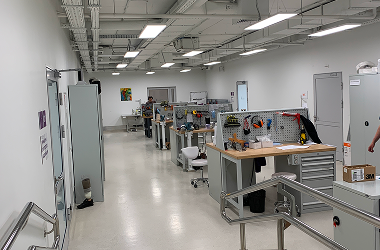
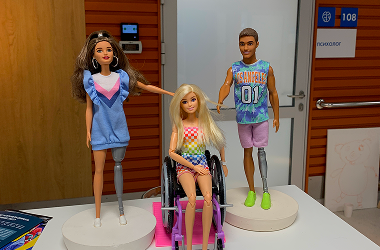
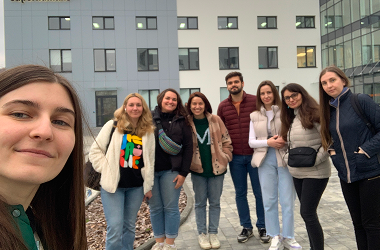
In partnership with the Superhumans rehabilitation center, we provided $100,000 for prosthetics for five veterans. This is more than just assistance — it’s a chance to return to a full life. Also, a group of ELEKSers visited the center gaining valuable insights into the innovative work Superhumans is doing to assist veterans and civilians in regaining mobility and enhancing their quality of life. It reinforced our commitment to creating a positive impact through meaningful partnerships like this one.
Another example is our contribution to the development of specific features for the BAZA app by the NGO “Vilnyi Vybir,” which helps veterans cope with psychological challenges. We helped improve the UX, added new features, tested the interface, and made the app more user-friendly for thousands of users.
Continuing our support for initiatives that empower veterans, ELEKS recently signed a memorandum of cooperation with the NGO “Academy for Heroes.”
This collaboration aims to support veterans returning to civilian life by helping them acquire new knowledge, rediscover themselves in a peaceful environment, and build successful careers.
Our partnership includes several key areas:
- development and implementation of educational courses and projects that open the door to IT education for veterans;
- organization of joint events — trainings, lectures, roundtables, and educational initiatives;
- creation of internship opportunities for Academy graduates at ELEKS;
- other initiatives that support growth and open new opportunities.
A Culture of Remembrance
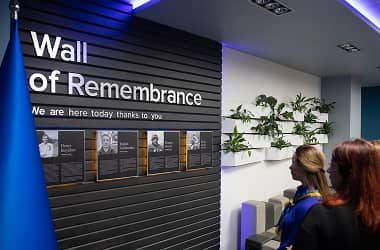
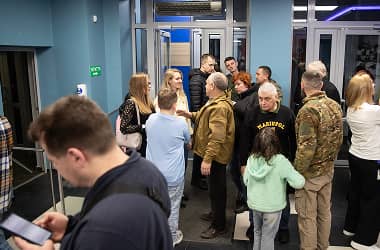
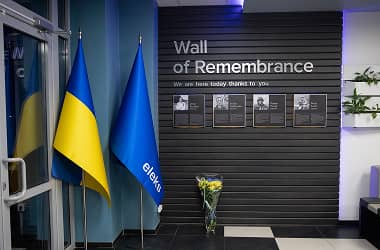
Sadly, four of our colleagues did not return from the war. Their names are engraved on the Wall of Remembrance at the ELEKS office in Lviv. This memorial honors the memory of Roman Petryk, Borys Latyk, Ruslan Ivakhnenko, and Denys Biryukov.
Paramedic and journalist Iryna Tsybukh, call sign Cheka, who was killed near Kharkiv on May 29, 2024, once said:
“The responsibility of the living toward the dead is to bear witness to what has happened.”
These words remind us why a culture of remembrance matters. It is about dignity, truth, and responsibility. It shapes our values, unites communities, and teaches empathy and respect for those who paid the highest price.
But to remember is also to act. Today, it is especially important to speak about the reintegration of veterans returning to civilian life. This is where business can — and must — play an active role.
Related articles