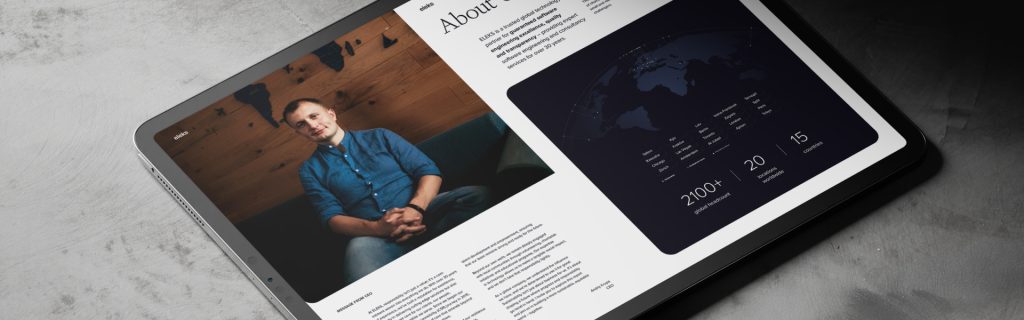
With degrees in Industrial, Service System, and Business Design, along with an MBA, Tommaso combines deep expertise with global experience in cities like Shanghai, Hamburg, and London. His holistic approach bridges user needs with business objectives, ensuring effective and sustainable solutions that drive measurable results. At ELEKS, Tommaso leads strategic workshops, designs customer journeys, and drives business model innovation, helping organizations navigate today’s competitive landscapes.
What is Service and Business Design?
Service and business design are two interconnected disciplines that enable organizations to create exceptional customer experiences while achieving strategic business goals.
Service design focuses on enhancing how customers interact with a service, ensuring their experience is seamless, effective, and enjoyable. This involves mapping customer journeys, identifying pain points, and designing solutions that integrate physical and digital touchpoints seamlessly.
For example, in a hospital setting, service design ensures that patients, doctors, and administrative staff work together efficiently to deliver high-quality care. It also takes into account back-end processes, such as scheduling and data management, to ensure the entire system operates cohesively.
Business design, on the other hand, takes a broader perspective by addressing the overall structure of how a business operates and generates value. It involves creating and refining business models, identifying new revenue opportunities, and responding to evolving market demands. This approach is rooted in strategic thinking, creativity, and data-driven insights to make businesses competitive and sustainable.
A prime example is Netflix, which transitioned from a DVD rental service to a global streaming leader by continuously innovating its business model to meet changing consumer needs.
When combined, service and business design create holistic, user-centered solutions that address both the details of service delivery and the overarching business strategy. Together, they enable organizations to innovate, adapt, and succeed in today’s competitive and rapidly evolving markets.
The Business Value of Service and Business Design
The role of service and business design extends far beyond enhancing customer experiences – it has a direct and measurable impact on an organization’s revenue and operational efficiency. By adopting a consulting premium approach, experts in these disciplines can:
- Uncover new revenue streams by identifying unmet customer needs.
- Optimize existing services to improve efficiency and reduce costs.
- Differentiate service offerings to stand out in crowded markets.
- Build long-term client relationships by delivering high-value, tailored solutions.
Reports from McKinsey (“The Business Value of Design“) and BCG (“The Most Innovative Companies“) underscore the significance of service and business design. Organizations that embrace these approaches see higher customer satisfaction, streamlined operations, and superior financial performance.
One of the key reasons these disciplines are so impactful is their ability to address complexity within modern organizations. Many businesses operate within intricate ecosystems involving multiple actors, such as users, service providers, and technology platforms. Service design identifies and resolves friction points across these systems, while business design ensures the overall strategy aligns with market trends and organizational goals.
Tommaso Martucci’s Contribution
At ELEKS, Tommaso Martucci exemplifies the integration of service and business design. His work focuses on facilitating strategic workshops, where he engages stakeholders to identify key challenges and opportunities. He also leads efforts in service mapping, designing customer journeys that seamlessly integrate physical and digital touchpoints.
One of Tommaso’s core responsibilities is business model innovation, which involves developing strategies that align with market trends and unlock new revenue streams. His expertise in cross-functional collaboration ensures that teams across design, development, and business functions work together cohesively to achieve shared objectives.
Tommaso’s T-shaped skillset – combining deep expertise in service and business design with a broad multidisciplinary perspective enables him to approach challenges holistically. This approach ensures that the solutions he develops not only meet user needs but also align with strategic business objectives, driving both customer satisfaction and financial performance.
Teaching at Politecnico di Milano
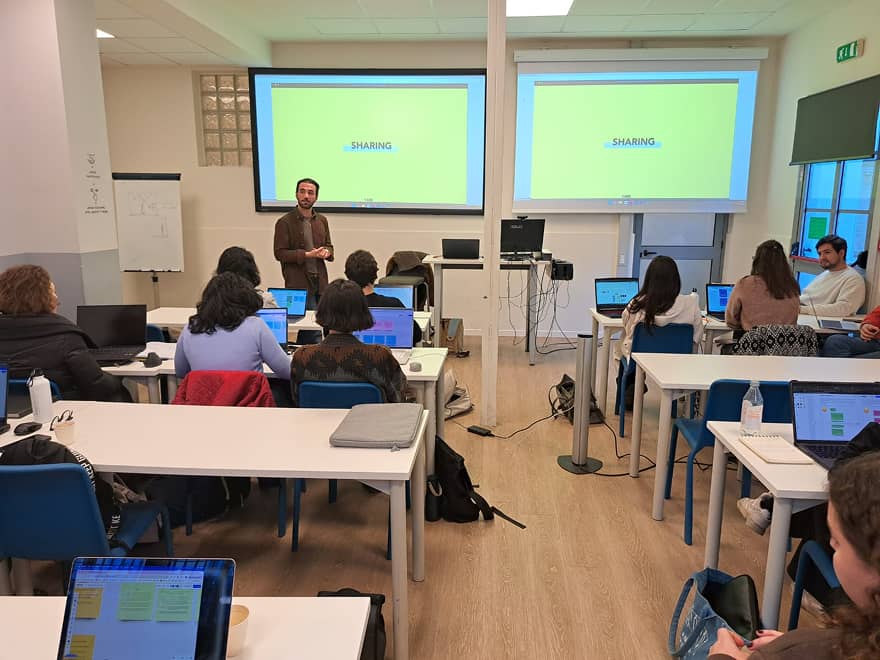
Tommaso’s academic journey is as impressive as his industry expertise. Building on his experiences at MIT and HAW University of Applied Sciences in Hamburg, he spent a transformative year at Politecnico di Milano that solidified his reputation as an educator. Following that successful period, he was appointed as an official member of the faculty. In his engaging two-week intensive masterclass, he equips participants with innovative tools that seamlessly connect design and strategy, empowering them to drive impactful and sustainable growth.
Service and Business Design in Practice
Service and business design are not abstract concepts – they are practical tools that organizations can use to navigate change and remain competitive. For instance, businesses that implement these disciplines often achieve:
- Greater operational efficiency by streamlining processes.
- Improved customer loyalty through personalized, high-quality services.
- Increased market share by introducing innovative and differentiated offerings.
By integrating service and business design, companies can align their internal operations with external market demands, creating cohesive and financially sustainable solutions. This integration is critical in today’s fast-paced business environment, where customer expectations are higher than ever.
Conclusion
Service and business design are powerful frameworks that enable organizations to thrive in an increasingly complex world. By focusing on both customer experience and overarching business strategy, these disciplines help businesses innovate, adapt, and achieve long-term success.
Through his work at ELEKS, Tommaso Martucci demonstrates the transformative potential of these approaches. His expertise in design thinking, strategy, and human-centered innovation showcases how service and business design can create meaningful value for both organizations and their customers.
Related articles